As a designer (originally trained in industrial design), I've always been fascinated by the process of turning ideas into something tangible.
Through years of working with children, I've learned that creativity flourishes when kids are given the space, tools, and encouragement to explore their own ideas. Whether they're drawing, building, or inventing games, they naturally experiment, test, learn, and refine as they go.
This summer, I decided to spend less time leading projects and more time following my daughter's ideas. My role was simple: provide materials, ask questions, and help when needed.
Here are three things we've created together so far — and a few things I've learned along the way.
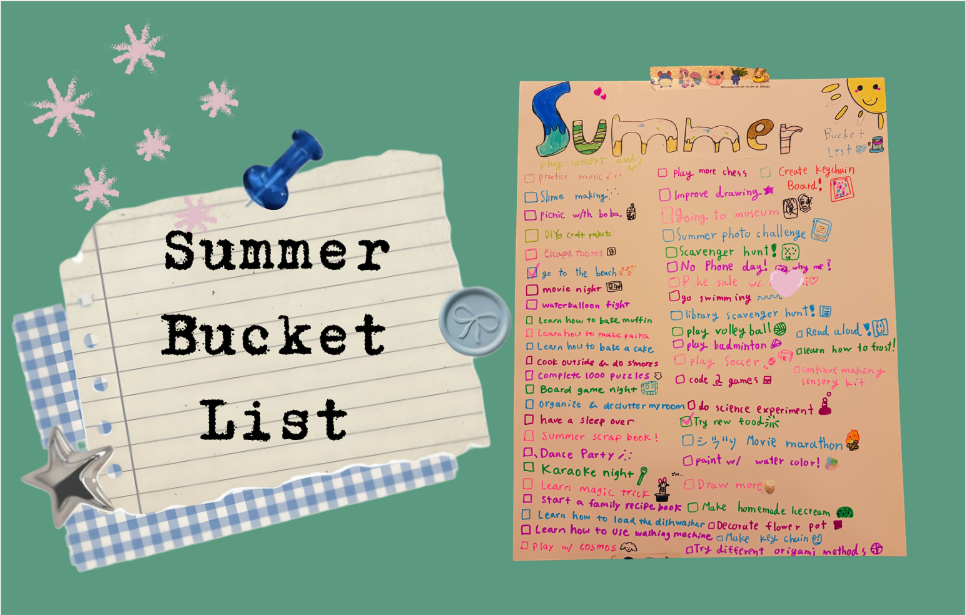
1. Summer Bucket List
At first glance, a summer bucket list seems simple. But I was surprised by how much thought went into it.
As we brainstormed, my daughter had to imagine what kind of summer she wanted to have. What experiences sounded exciting? What felt realistic? What would make this summer memorable?
The list became more than a collection of activities — it became a way to visualize the season ahead.
I also noticed that having her own list made her more proactive. Instead of waiting for adults to plan everything, she began suggesting activities and looking forward to checking them off.
Of course, every family approaches summer differently, but for us, it became a fun way to be intentional about how we spend our time together.
💡 What I learned:
The value wasn't just in the finished bucket list. It was in the process of imagining possibilities, making choices, and creating something that reflected what she hoped this summer would become.
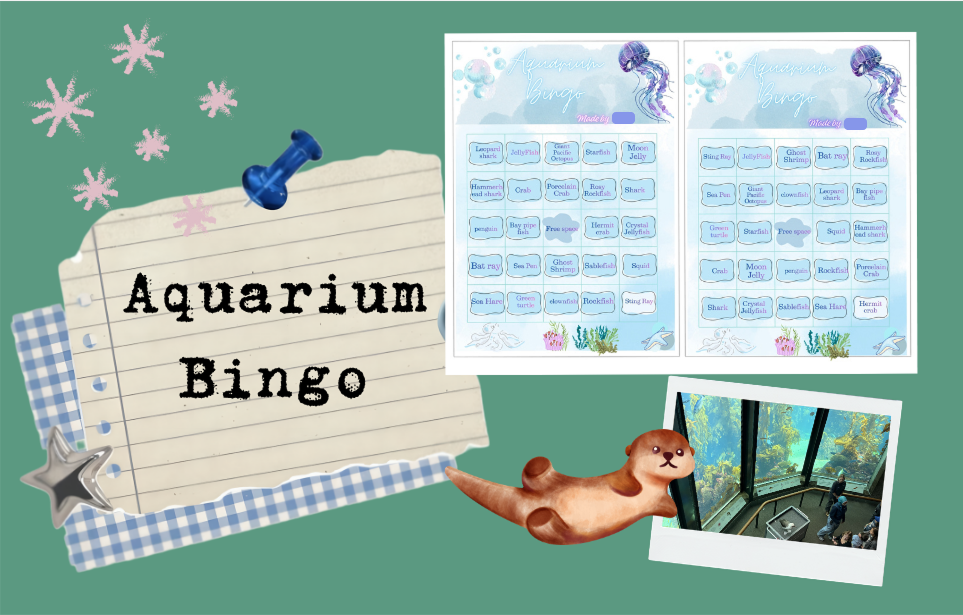
2. Aquarium Bingo
When we planned a visit to the aquarium, my daughter suggested creating bingo cards featuring sea creatures we might find.
I loved the idea because it transformed the visit into a little scavenger hunt.
Before our trip, she researched the animals that lived at the aquarium and carefully selected which ones to include on the card. Along the way, she learned the names of creatures neither of us had heard of before.
The activity worked exactly as intended: it made the experience interactive and gave us something to look for together.
Interestingly, it also taught us something unexpected. Because we were focused on finding and marking creatures, there were moments when the bingo card pulled our attention away from simply observing and enjoying the exhibits.
That doesn't mean it was a failure — in fact, I think that's part of the value of making things. Sometimes we learn as much from what doesn't work perfectly as from what does.
💡 What I learned:
Designing an experience doesn't stop at the idea itself. Small details—like the size of a card, how it's carried, or whether extra tools are needed—can have a big impact on usability. The bingo activity was fun, but it also gave me plenty of ideas for how I would redesign it next time.
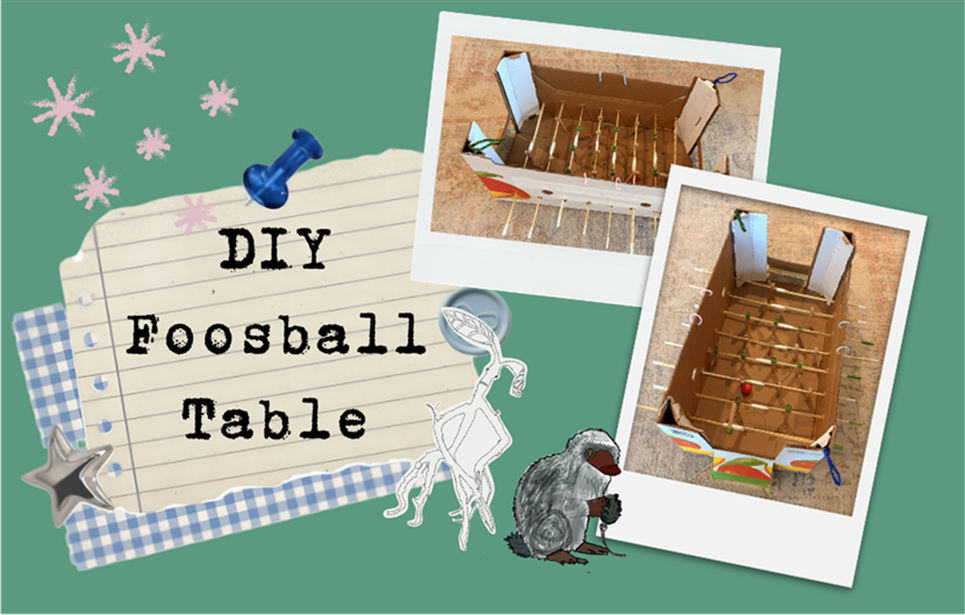
3. DIY Foosball Table
This project was entirely my daughter's idea.
After spotting a large cardboard box from Costco in the house, she decided it could become a foosball table.
What followed was a lot of experimenting, problem-solving, and adjusting. How should the players be attached? How long should the rods be? How can we keep score? How do we prevent the rods from sliding in? How can we make the goals more visible? And, perhaps most importantly, how can we add a little team spirit?
So far, we've added eight rods according to her game plan, used wooden clothespins as players, and wrapped one team's players with green painter's tape to make them easier to distinguish. We're currently working on adding scoreboards to each side.
The teams are called Team Niffler and Team Bowtruckle, inspired by the Fantastic Beasts series. She spent time drawing both creatures in Procreate, and I helped by printing them so they could become part of the game. The table is still very much a work in progress, with plenty of ideas waiting to be tested and added.
What I enjoy most about this project is that she doesn't see unfinished features as problems. She simply sees them as the next thing to build.
What impressed me most was her willingness to keep trying different ideas until something worked. As adults, we sometimes hesitate to start because we're worried about the outcome or whether we'll do it "right." Kids often approach things differently — they start first and figure things out along the way.
💡 What I learned:
Ideas don’t need to be complete from the beginning. By making something, playing with it, and improving it through iteration, it gradually takes shape. Through that process, I also realized the importance of supporting her thinking with questions, helping her express her own ideas, and working together to explore how things could be improved.
A Small Reminder from This Summer
So far, these have been some of my favorite projects of the summer.
Not because they were polished or ambitious, but because they were driven by genuine excitement and curiosity.
I've learned a lot by stepping back, following my daughter's lead, and seeing where her ideas go.
And if the first few weeks of summer are any indication, I have a feeling there are more projects on the way.
Who knows what we'll build, design, or invent next? If you'd like to follow along, I'd love for you to come back and see what new projects this summer brings.
